

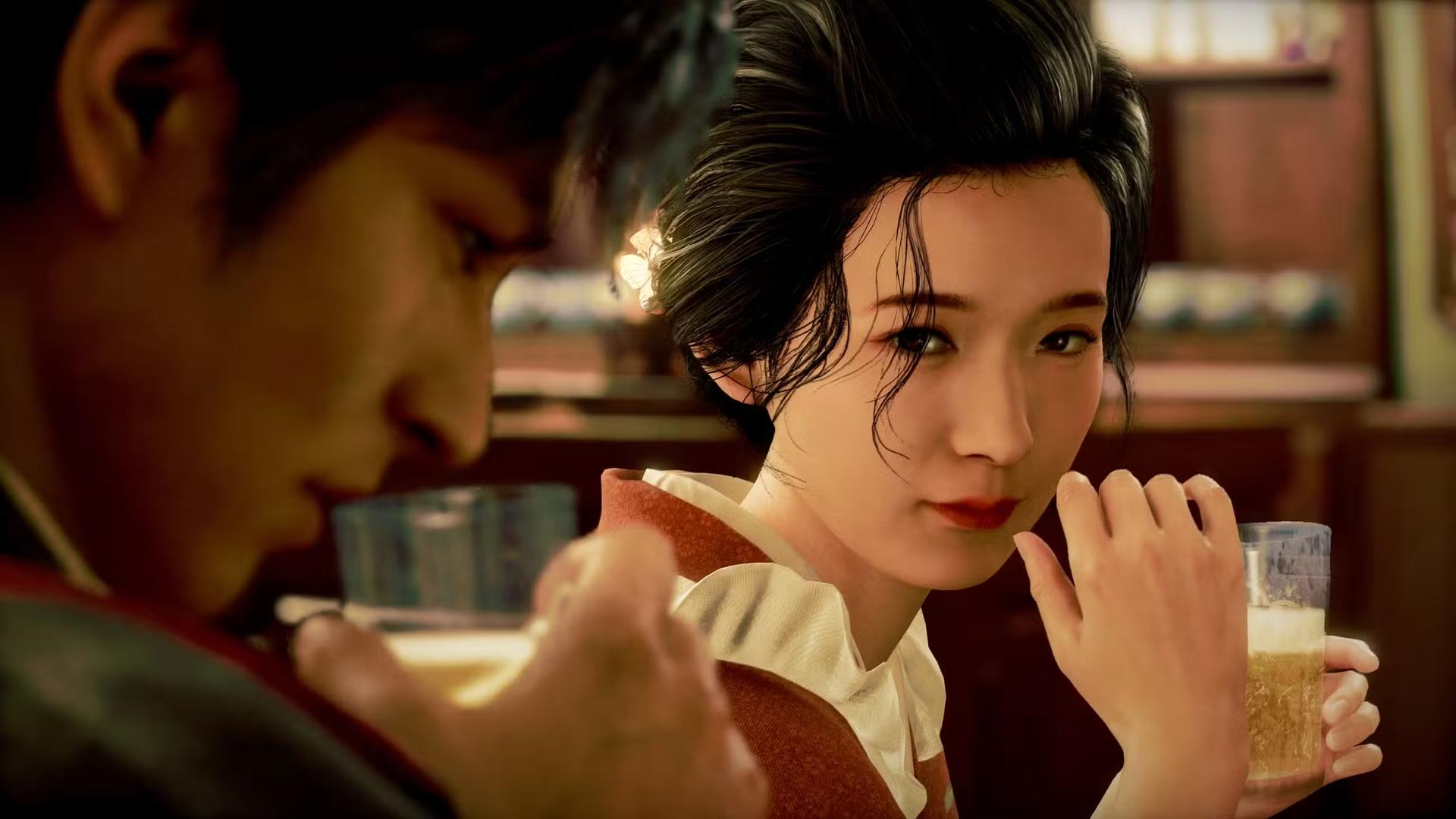
The studio behind Like a Dragon uses a 50-year storyline to explore changes in Japan’s cities and in Makoto’s life. The preview included the prologue and playable sections from different periods of the campaign.
Who is Makoto Daito?
Makoto’s story begins in San Francisco in 1915. Born to an American father and a Japanese mother, he faces discrimination and is falsely accused of murder. Unable to afford passage, he stows away aboard a ship bound for Japan.
During the crossing, he meets Yu Shinjo, another young man who has experienced discrimination, and Orpheus, played by Snoop Dogg. Reaching his mother’s homeland brings further struggles for acceptance.
Makoto ages throughout the campaign, with relationships formed over five decades becoming part of the story.
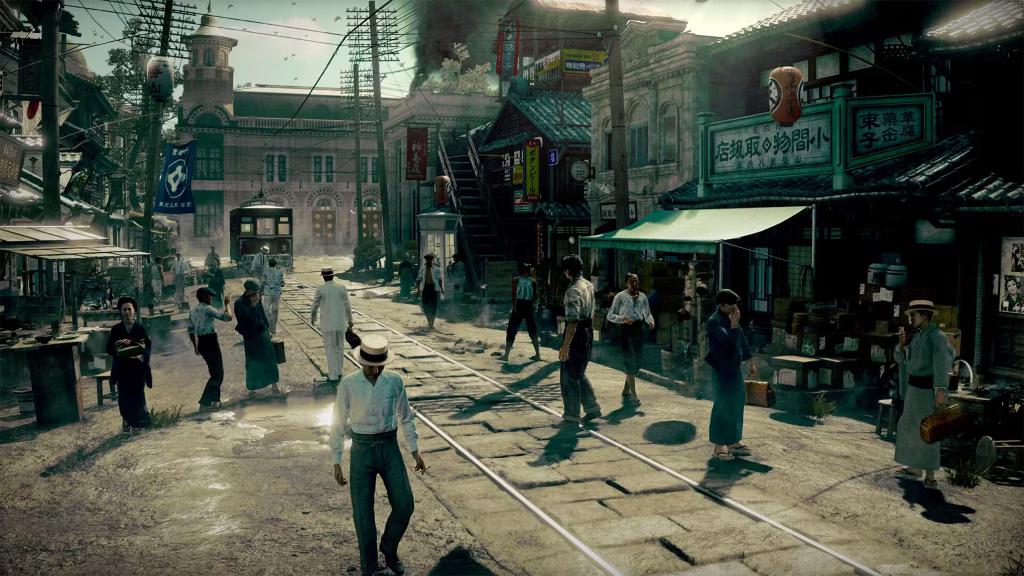
Which locations appear in Stranger Than Heaven?
The campaign takes place across five locations and historical periods:
- Kokura, 1915: an industrial city associated with steel production.
- Kure, 1929: a setting shaped by Japanese shipbuilding.
- Osaka, 1943: a chapter set during the Second World War.
- Atami, 1951: a coastal destination with a tourism industry.
- Shinjuku, 1965: the Tokyo district featured in the latest period shown.
According to RGG Studio’s description cited in the preview, these settings depict a version of Japan that could have existed, drawing on their respective periods.
How does exploration work?
Players can find side quests, minigames, shops, restaurants and street fights. Available activities change between periods. In one section, the journalist reported being able to enter almost every building.
How does Stranger Than Heaven’s combat work?
The shoulder buttons and triggers control Makoto’s left and right sides independently. Players can block with one arm while keeping the other available for a counterattack.
Combat also includes charged attacks, grabs, takedowns and strikes against grounded enemies.
Weapons and free-hand attacks
Weapons shown include knives, hammers and pipes. Holding a knife in one hand still allows Makoto to punch with his free hand. Players can also switch weapons during fights.
Music production includes recruitment and promotion
Makoto can organise musical performances by selecting performers, stage effects and a setlist. On-screen prompts allow players to influence the quality of a performance.
RGG Studio says the full game will include musician and singer recruitment, plus music creation using sounds collected while exploring.
Players will also promote shows with posters and manage income and expenses, making performances another source of in-game earnings.
Try NoPing on your connection
Try one full day of NoPing for free, with immediate activation and no credit card required. Compare your ping and connection stability during your gaming sessions.